City Entrance Gate
1st Prize - Parametric reinterpretation of Islamic architecture
Intent
Zahedan sits in southeastern Iran where the sun is relentless and faith shapes daily life. When the city announced a competition for a new entrance gate, the brief called for something that honored local identity without copying the past.
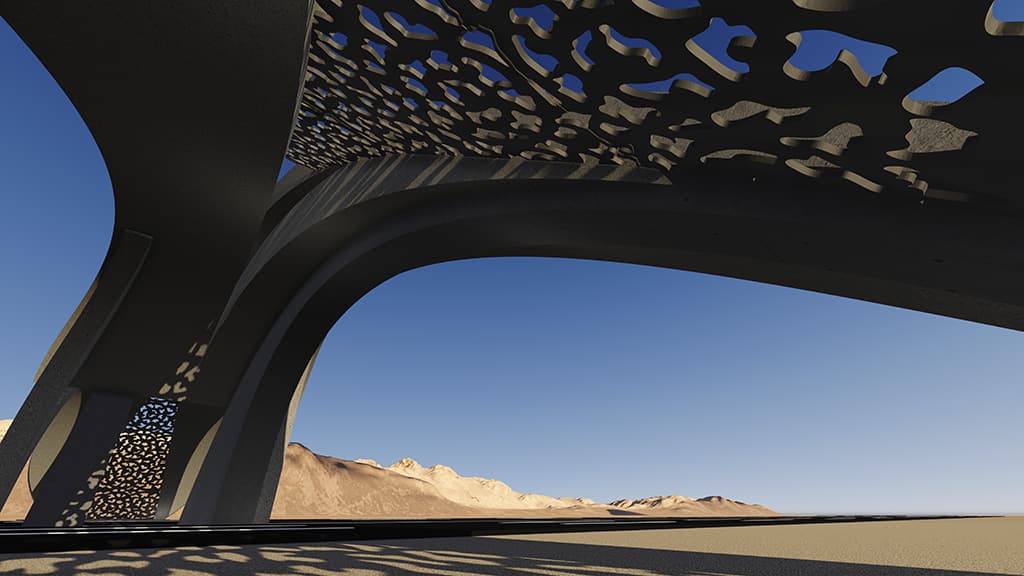
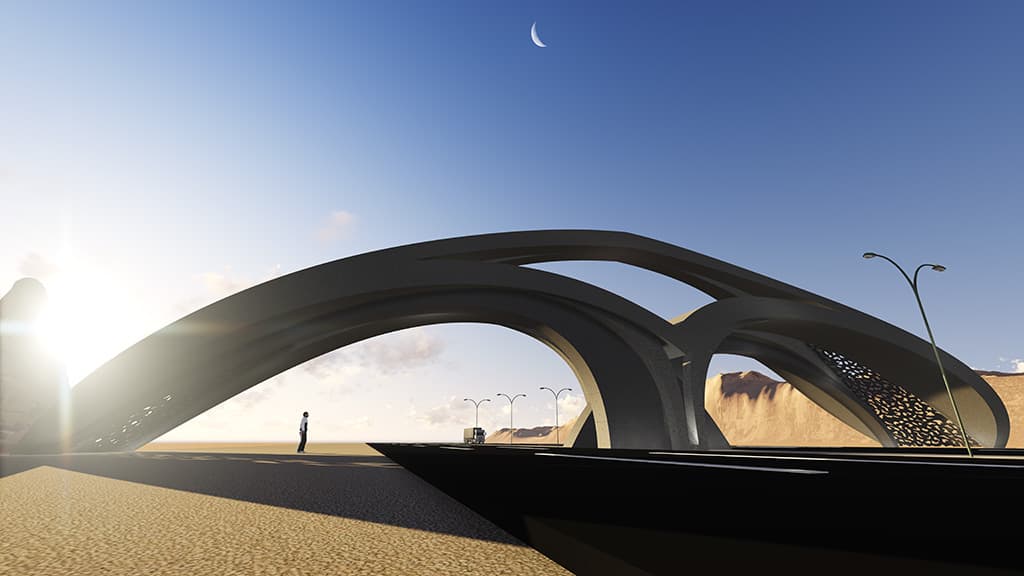
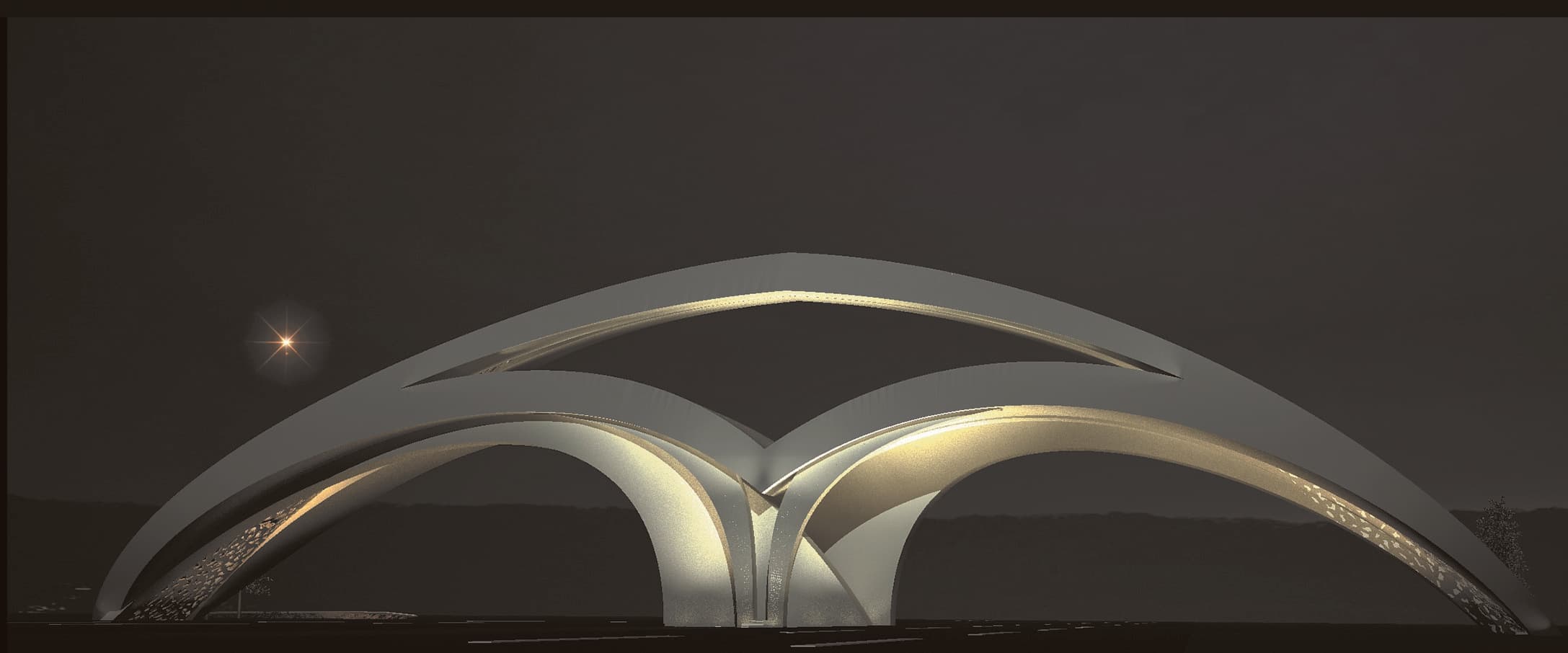
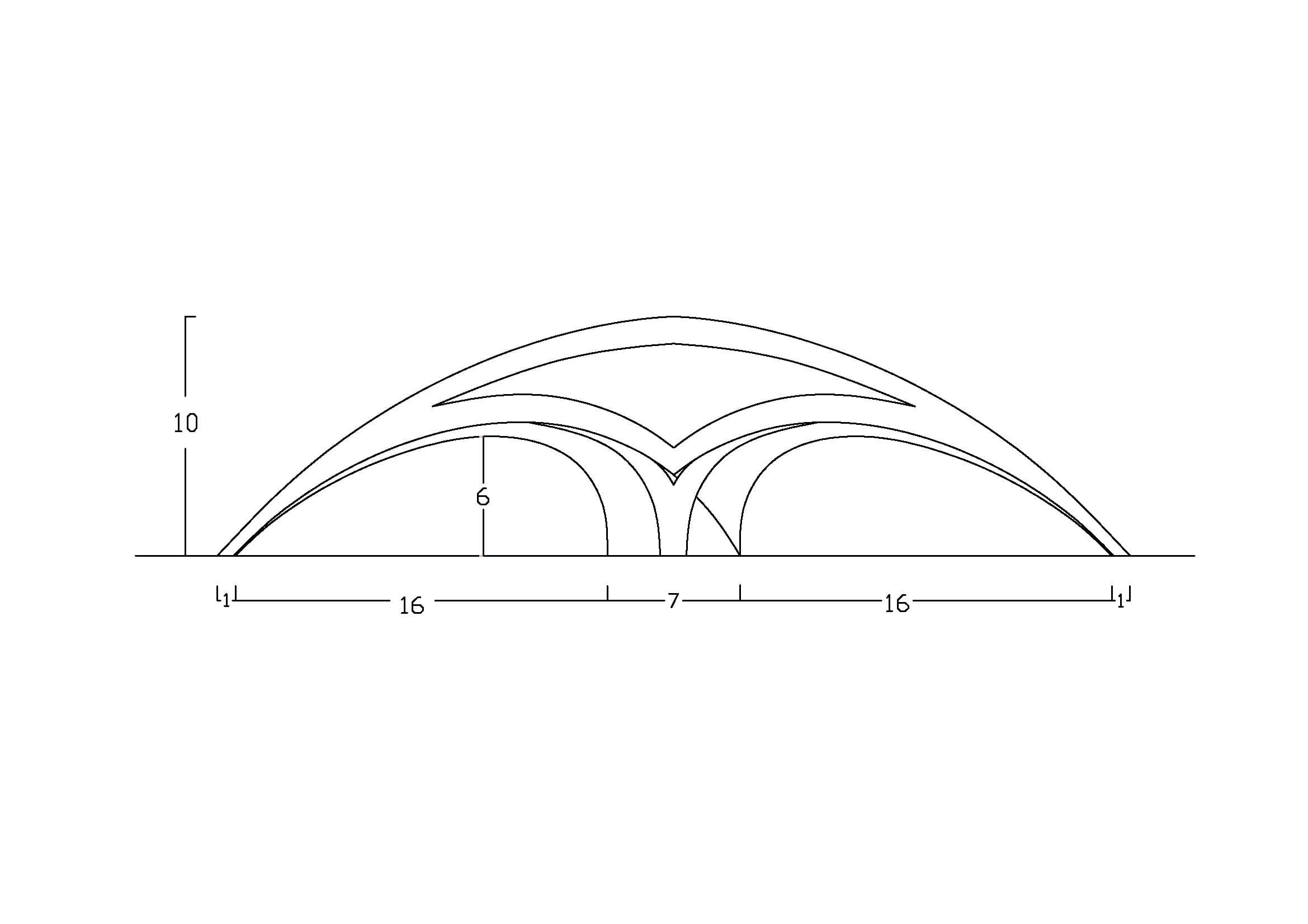
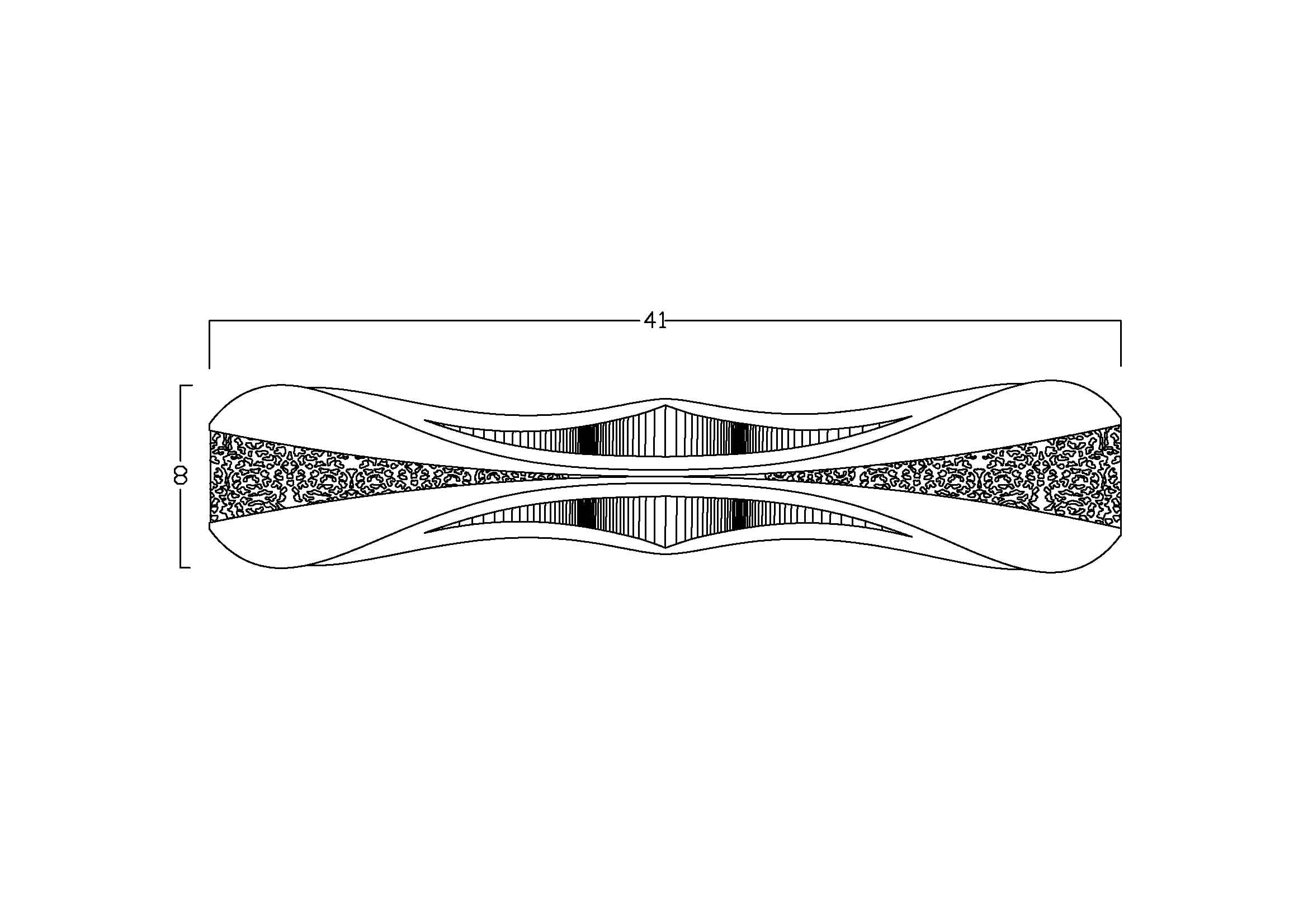
Our answer uses the sun itself as architect. The gateway's form draws from traditional Islamic arches, but the surfaces are perforated with Islimi patterns, the intricate geometric motifs found in mosques and manuscripts across the Islamic world. As the sun moves, these perforations cast shadows that shift and dance, transforming a static structure into something alive with the passage of time.
The experience of passing through becomes a meditation on light, pattern, and movement. Morning shadows stretch long and dramatic. Midday light pours through as bright points. Evening casts the patterns in amber. The gate marks not just the city's edge but the hours of the day, connecting the civic monument to natural and spiritual rhythms.
My Role
I led our competition team, developing the concept that would ultimately win first prize. The Islimi patterns required extensive study: researching traditional motifs, testing how different geometries would cast shadows at various times of day, and refining the perforation sizes to achieve the right balance of light transmission and structural integrity.
I produced the 3D models, renderings, and presentation boards that communicated our vision to the jury. The challenge was explaining how a static structure could create dynamic experience, showing that this wasn't just a decorated arch but architecture that performs differently every hour.
Outcome
**Awarded 1st Prize** in the national design competition. The jury recognized the design for reinterpreting regional identity through contemporary means, honoring Islamic architectural heritage without resorting to pastiche. The project demonstrated that cultural architecture can be forward-looking while remaining deeply rooted in place and tradition.