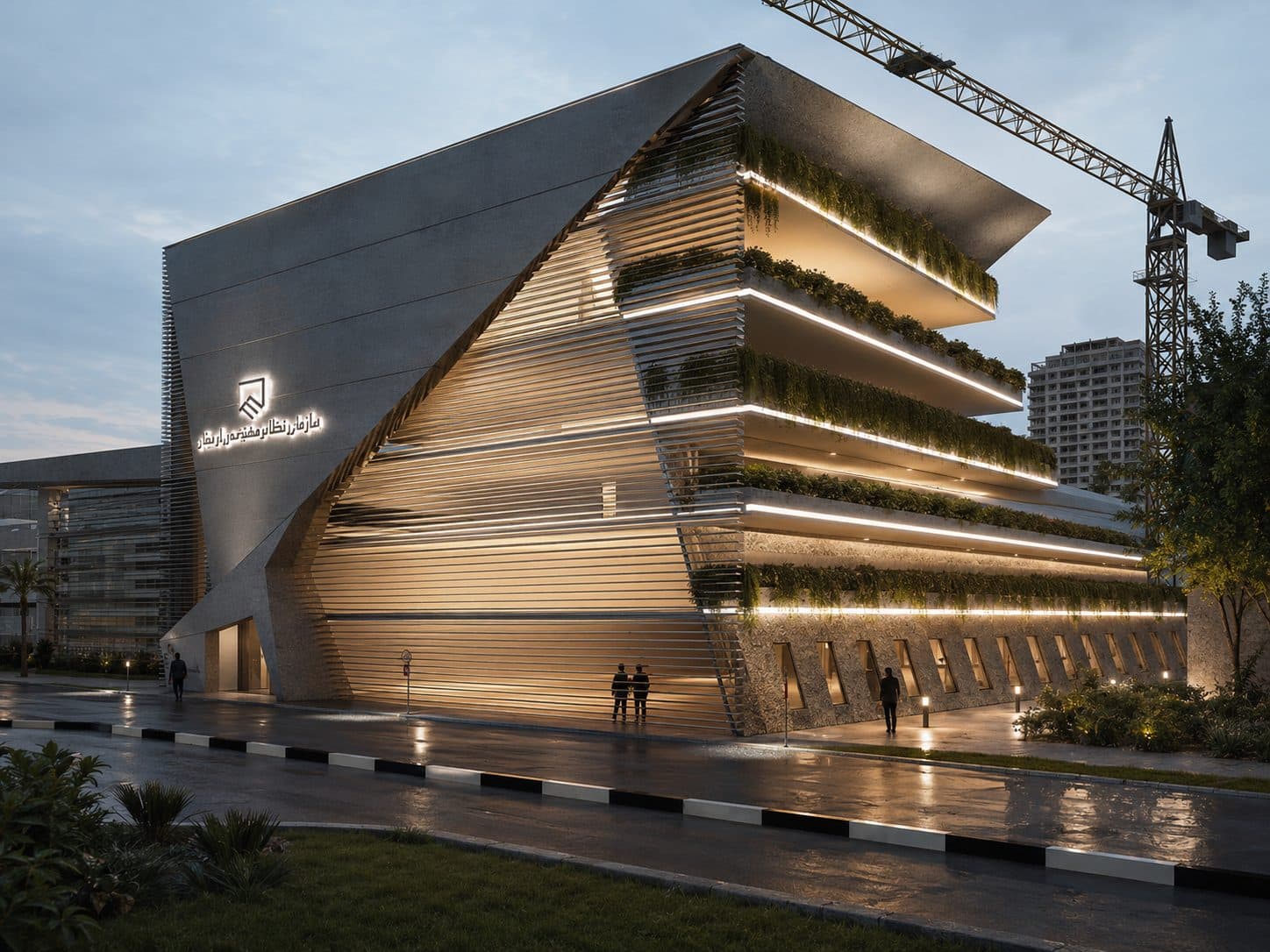
Engineering Association Office
Golden Ratio concept for engineers' professional headquarters
Intent
The Lorestan Engineering Association needed a headquarters that would represent their profession, a building engineers would recognize as their own. The question was how to express engineering identity architecturally without resorting to exposed steel beams or industrial aesthetics.
The answer came from mathematics. The Golden Ratio (1:1.618) has fascinated mathematicians and architects for millennia. The Parthenon embodies it. Le Corbusier built systems around it. It appears in nature from nautilus shells to spiral galaxies. For engineers, whose work rests on mathematical foundations, a building generated from the Golden Ratio speaks their language.
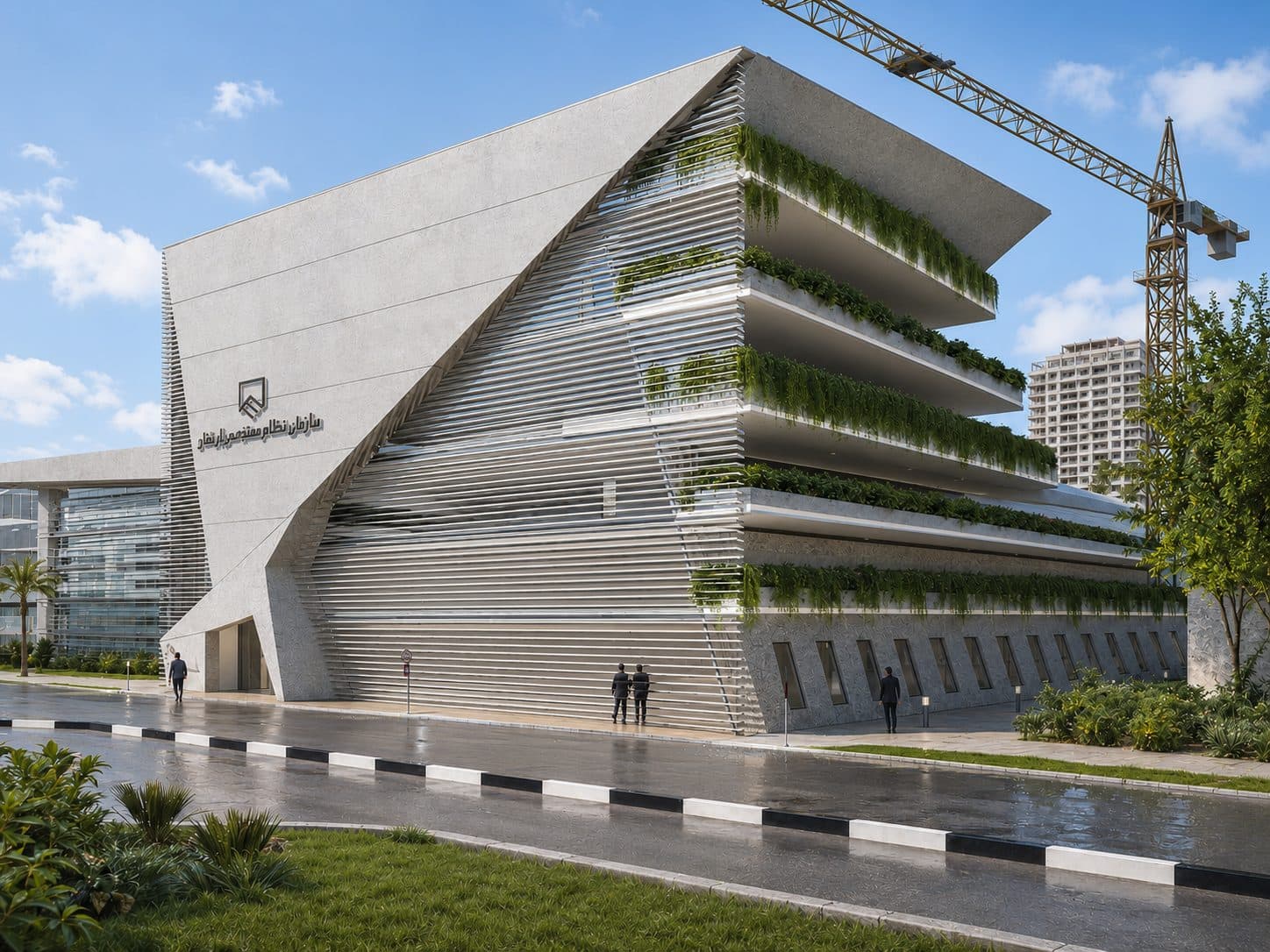
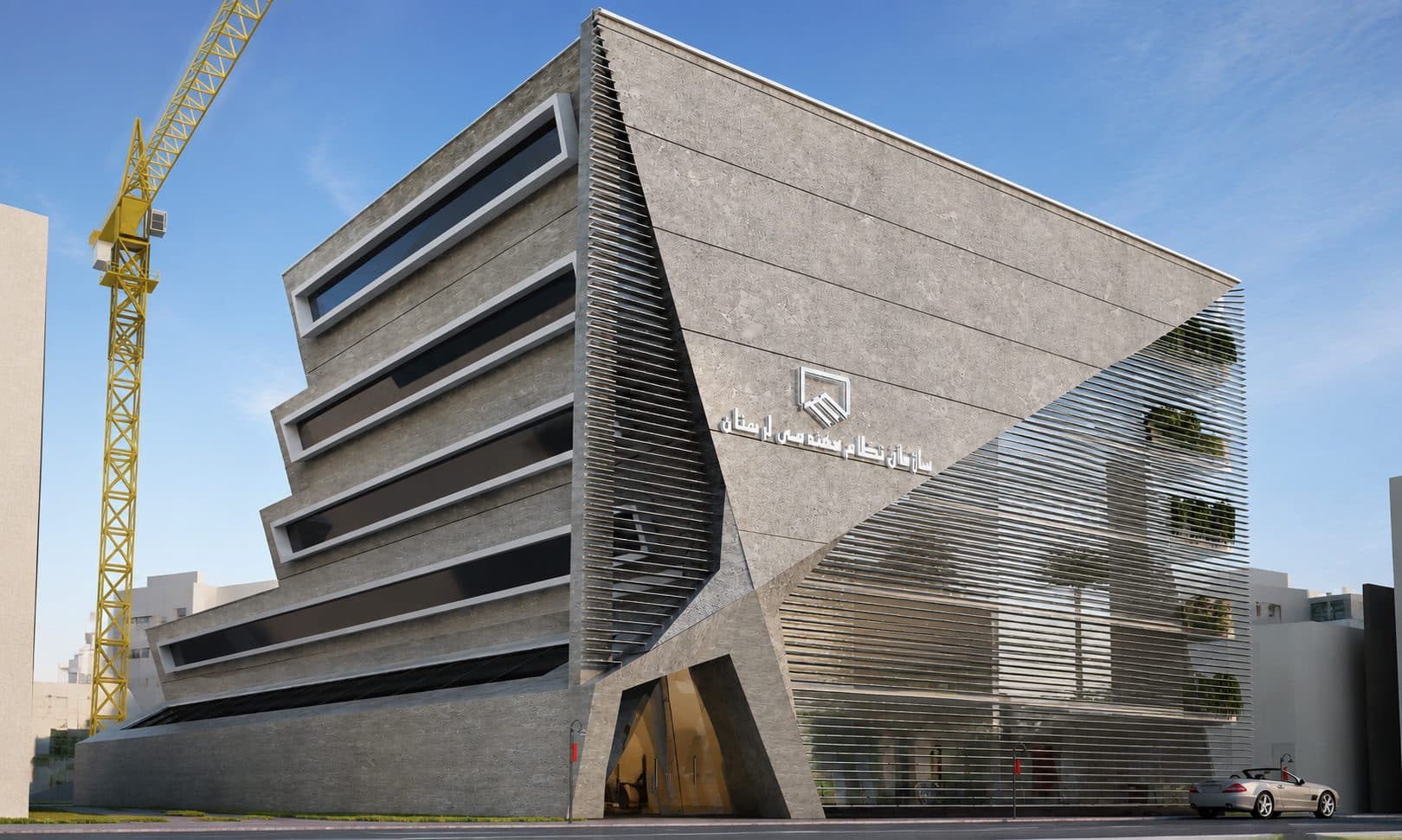
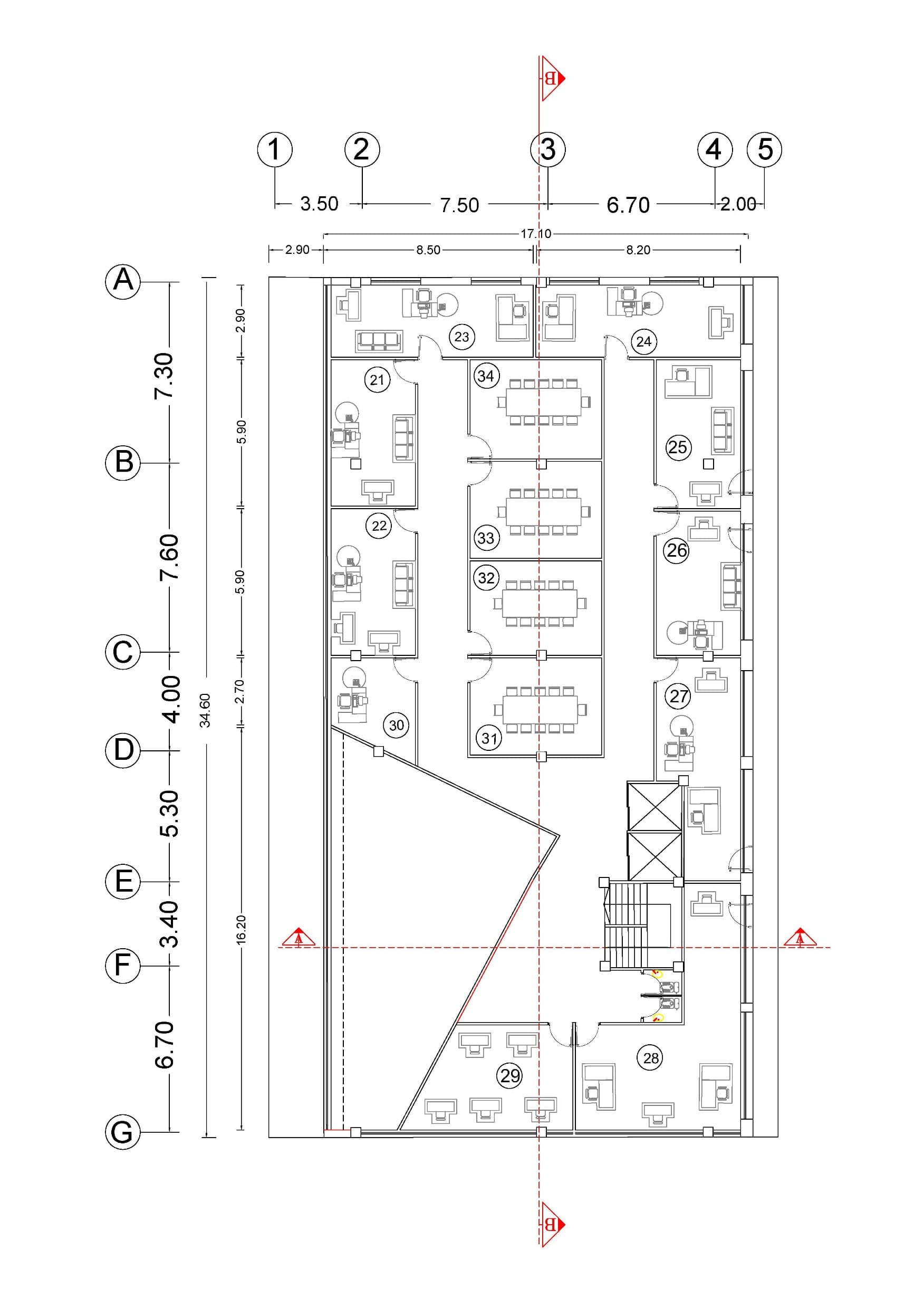
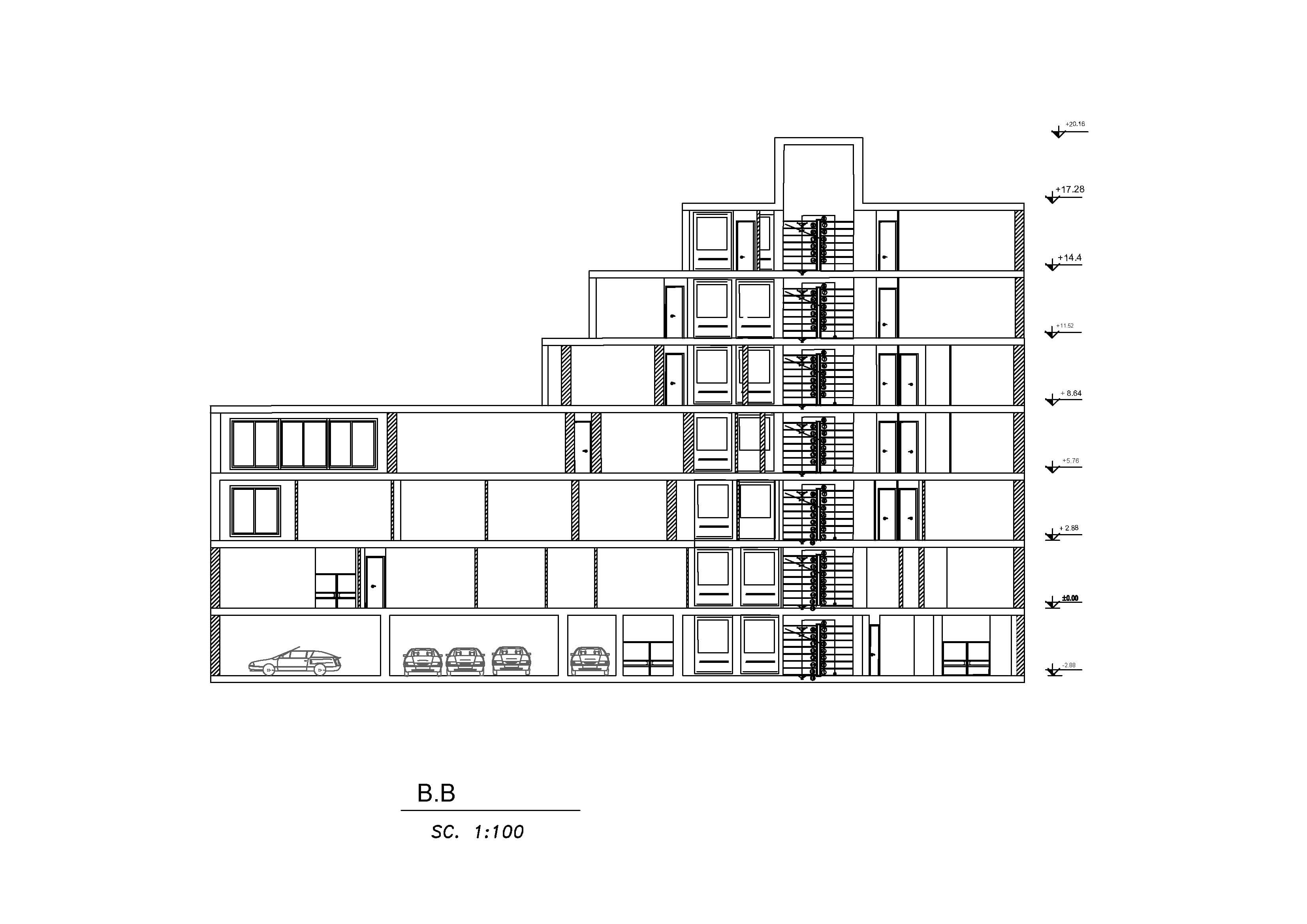
The design derives its massing, proportions, and facade rhythms from golden rectangles. The stepped profile follows the Fibonacci spiral. Horizontal elements mark golden divisions. The result is a building that feels harmonious without announcing why, with proportions that engineers will appreciate intuitively even before they see the mathematical underpinning.
Green terraces and facade planting soften the geometric rigor, creating a workplace that's contemporary and flexible while remaining rooted in enduring mathematical principles.
My Role
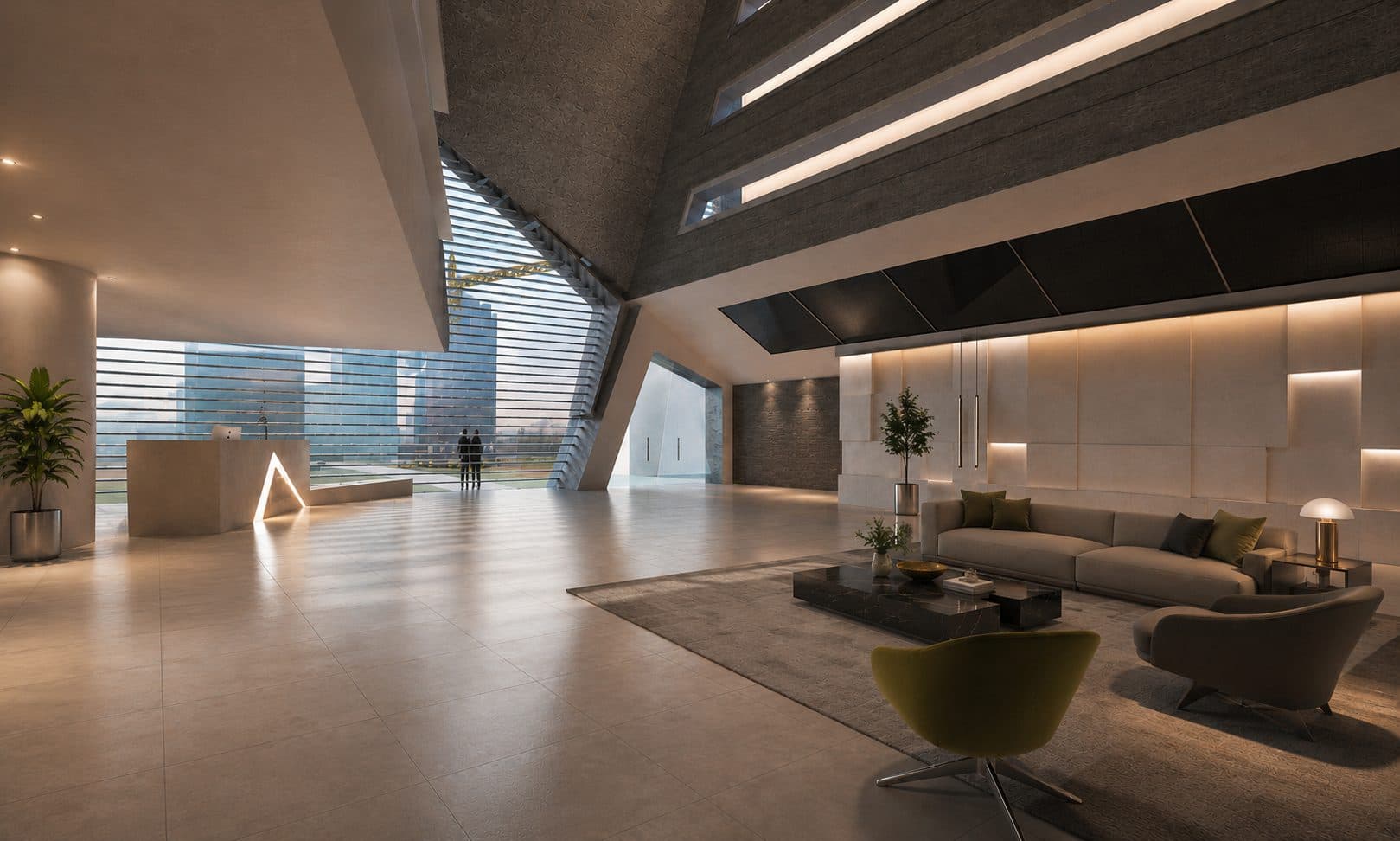
I led our team through a concept development process that required genuine mathematical rigor. Applying the Golden Ratio isn't decoration; it's a discipline that constrains every decision. I developed proportional studies demonstrating how the ratio generates plan dimensions, elevation heights, and facade rhythms, then translated those abstractions into a buildable design with modern workplace interiors and integrated landscape elements.
The presentation materials needed to explain both the mathematical concept and its architectural expression, showing engineers not just a building they'd like to work in but one that honors their profession's intellectual foundations.
Outcome
The design was recognized for its conceptual clarity and its appropriate response to the client's professional identity. The project demonstrates that architecture can communicate through proportion as powerfully as through form or material, speaking to occupants in a language they understand.